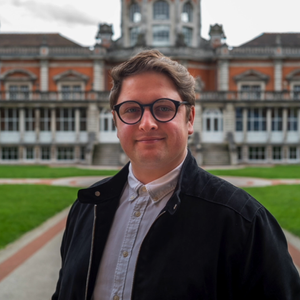
Nathan has been interviewed by Wales’ leading independent culture and lifestyle guide, Buzz magazine, as part of their One-To-Watch series.

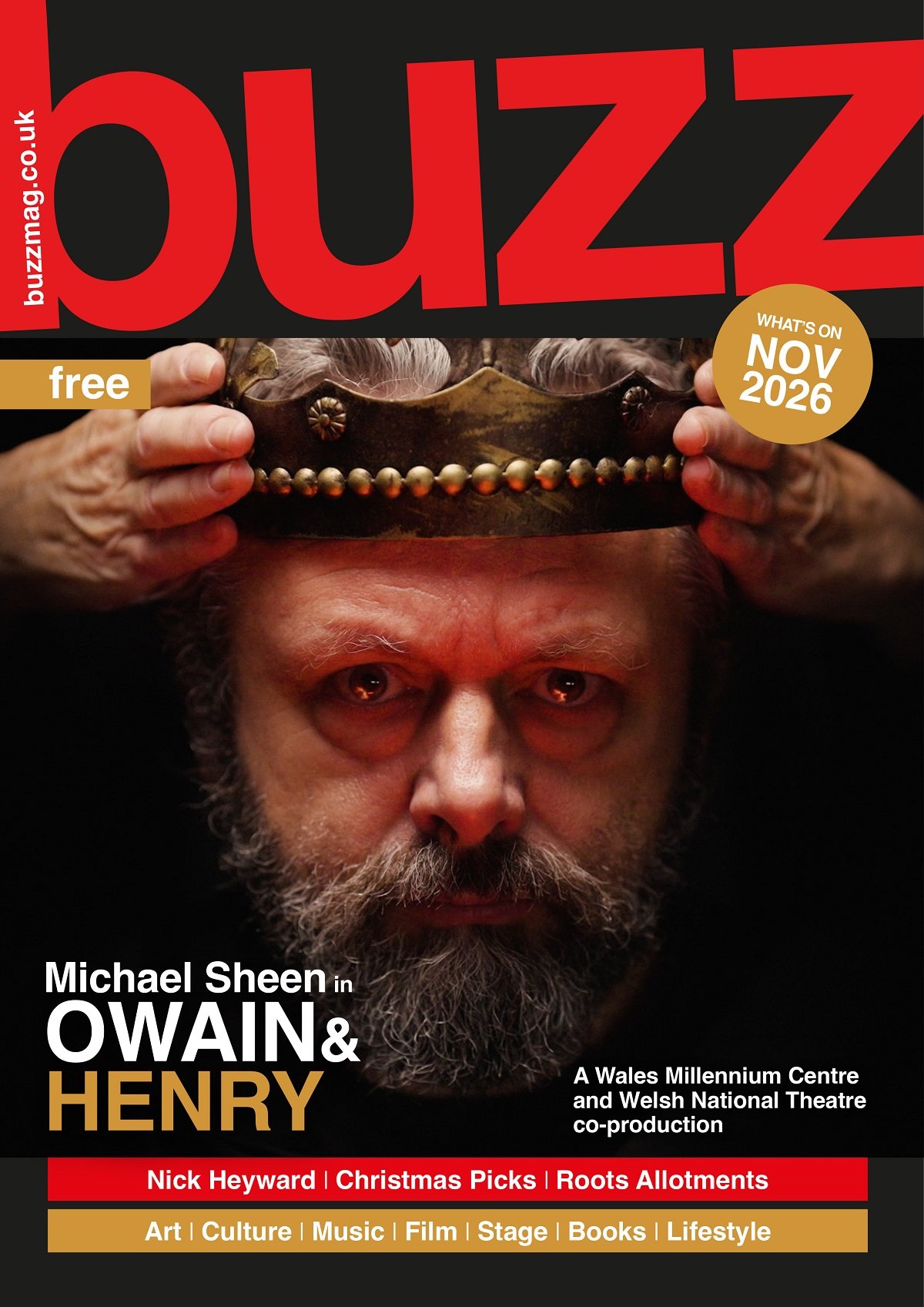
Buzz Magazine; November 2026
How has I Breathe, your new debut album, come together as a project?
The album is a sort of postcard for 10 years of what I do. I wanted to give a piece of all of the people that have given me their time, performed my music, and essentially made me into the composer that I am.
When I thought about what I wanted to do for the album, the easiest thing would be to work with one group, or just do something on my own. So I said, let’s do something absolutely crazy and get hundreds of people involved. That’s why I got in touch with the National Youth Choir Of Wales – they were the choir I was in from aged 14 until 18 or 19. There’s between 80 and 90 young people on that disc, and a whole team behind them that supported it – and that’s just one part of the album. And then on top of that, I thought, let’s go for two other choirs as well. In many ways it feels like coming home.
You draw influence from the Welsh hymns that you sang with the National Youth Choir. What is it about these songs which inspires your work?
I haven’t lived in Wales for about 14 years now, but I’ve still got my family’s accent and I’m still very proud of being Welsh. How does that manifest itself in my music? Maybe in terms of our lived experience, and maybe our heart – living with hymns, living in the male voice choir tradition. Those experiences of collective expression and music-making that come from post-industrial towns; collective expression that comes from hardship, from the love of our landscape.
Listening back to some of the tracks and being more of a viewer of my music, I start to pick up moments. A mass male voice choir singing a big homophonic chord right in the face of an audience. There might be moments where I do things with upper voices in sopranos and altos, where they create little rhythms against one another; moments of beautiful Welsh folk music that you can’t quite pinpoint, it just lives within those sorts of textures. That’s what came out of the wash, having looked at the album through a different lens.
You’ve referred before to the act of “coming together in one breath”. Is there a link between that coming together in one breath as a choir, and these small close-knit communities?
That’s a nice question. One thing is that breathing is just a fundamental human thing that we do, especially when it comes to communication – whether that’s through spoken word or through song. Even if we’re singing together, we all have our own different voices. But breath is the thing that really unites the sound: a collective expression.
One thing that’s come out in my music – not consciously, but in the postmortem – was how I like to quite actively involve breath in my music. Whether that’s to evoke a collective expression over something that might be not so positive in the world, or it might be something more guttural and primal – how rest and breathing can be quite earthly. It can become sort of percussive in my music, or it’s simply just that moment of “we’re all doing the same thing at the same time” that you don’t really get in any other form.
In terms of this idea of collective expression coming together in the Valleys, there’s two sides to this coin. In many ways, us being ‘the land of song’ is dependent on working-class – now post-industrial – communities, and the chapel. We’re becoming more secular than ever as a society, and also the funding of the arts is so poor that a lot of our singers are not being supported. When I meet people internationally, I say we are the land of song through gritted teeth.
I’ve been to Latvia, Lithuania and Estonia recently and they’re far more a land of song than we are. They have massive stadiums dedicated to song, where 70,000 people come together to sing their cultural heritage. We do that in rugby stadiums and that’s brilliant. But we need something else that’s outside of that form, that supports us as human beings and getting together and just expressing.
Read the full article on Buzz magazine: https://www.buzzmag.co.uk/nathan-james-dearden-interview-one-to-watch/
Double-click to edit...